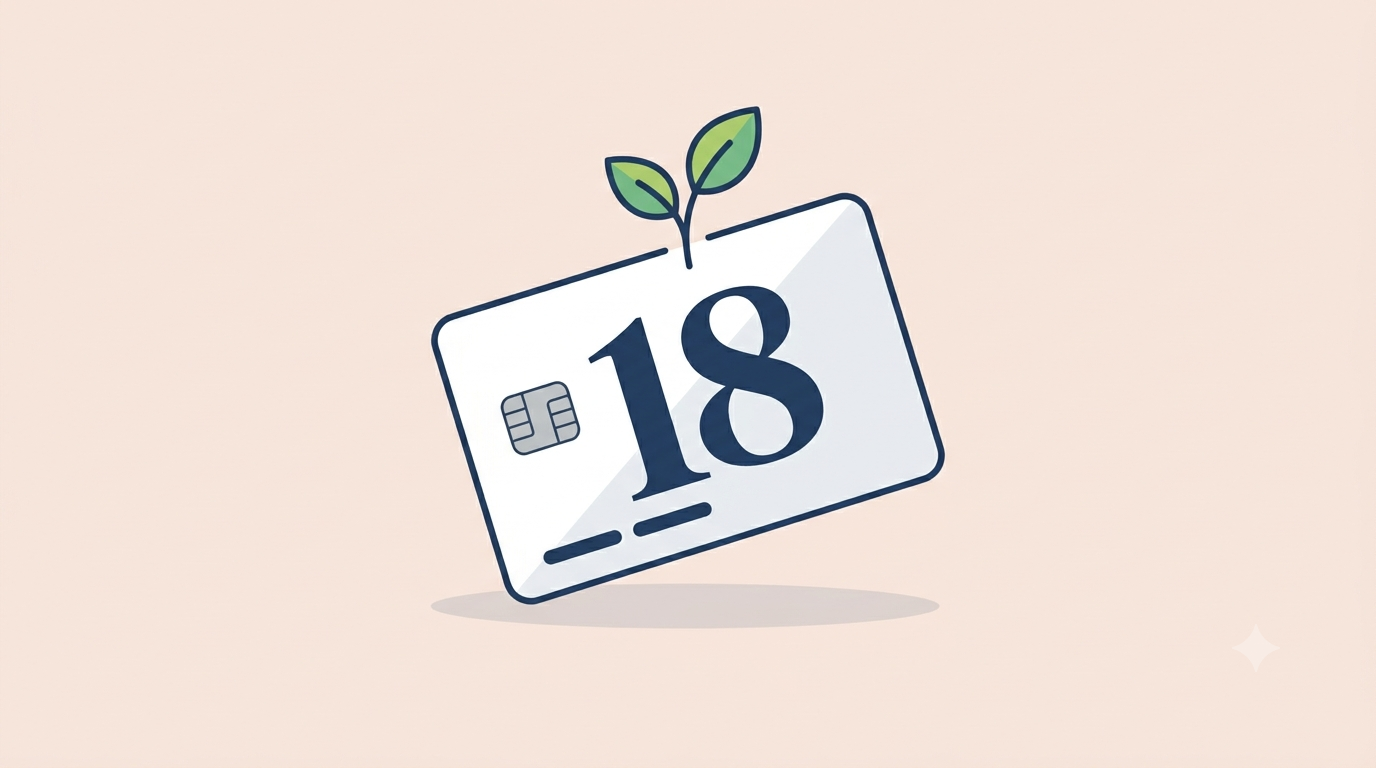
Best Credit Cards for 18-Year-Olds in 2026
Finding the best credit cards for 18-year-olds can be challenging because most people at this age have little or no credit history.
Turning 18 makes it possible to begin applying for credit in your own name, but approval is not guaranteed. Many 18-year-olds are still students, have limited income or have never used a credit account before.
The good news is that you do not necessarily need an established credit score to start building credit.
Depending on your situation, you may be able to qualify for a student credit card, a secured credit card or another beginner-friendly option.
The most important thing is to choose a card that you can use responsibly and repay on time.
Best credit cards for 18-year-olds: Quick comparison
| Option | Best For | Annual Fee | Main Advantage |
|---|---|---|---|
| Discover it® Student Cash Back | Students who want cash back | $0 | Rewards and first-year Cashback Match |
| Capital One Savor Student Cash Rewards | Students who spend on dining and entertainment | $0 | Rewards on popular student spending categories |
| Capital One Quicksilver Student Cash Rewards | Simple cash back | $0 | Straightforward rewards structure |
| Secured credit card | Applicants with no credit history | Varies | Easier path to building credit |
| Authorized user account | Young adults who cannot qualify independently | Usually $0 for the user | May help establish credit history |
The best choice depends on your income, credit history and whether you are currently enrolled in college.
Can you get a credit card at 18?
Yes.
At 18, you can generally apply for a credit card in your own name.
However, being legally old enough to apply does not guarantee approval.
Credit card issuers may consider:
- Income.
- Ability to repay.
- Credit history.
- Existing debt.
- Recent applications.
- The issuer’s internal approval criteria.
Many 18-year-olds have no credit score at all.
That is not the same as having bad credit.
It simply means you have not yet established enough credit history for many scoring models to evaluate.
1. Discover it Student Cash Back: Best for first-time student card applicants
The Discover it Student Cash Back card can be an attractive option for college students who want to start building credit while earning rewards.
The card has no annual fee and offers cash-back rewards through rotating bonus categories.
New cardmembers may also qualify for Discover’s first-year Cashback Match, which matches the cash back earned during the first year according to the current terms.
Why it can be a good first card
The card combines several features that are useful for young adults:
- No annual fee.
- Cash-back rewards.
- A student-focused product.
- Opportunity to build credit history.
However, the rotating reward categories require some attention.
You may need to activate the bonus categories to receive the higher cash-back rate.
You can read more about how Discover’s cash-back structure works in our Discover it Cash Back Review: Pros, Cons, and How to Apply.
Best for
This card may be a good choice for 18-year-olds who:
- Are college students.
- Want cash-back rewards.
- Are comfortable managing rotating categories.
- Want to avoid an annual fee.
2. Capital One Savor Student Cash Rewards: Best for dining and entertainment
The Capital One Savor Student Cash Rewards card may be a good fit for students who regularly spend money on dining, entertainment and other common student expenses.
The card has no annual fee.
Depending on the current terms, eligible spending categories may include restaurants, entertainment and certain streaming services.
Why it stands out
The rewards structure can be relatively easy to understand.
Instead of tracking rotating categories, you can focus on using the card for purchases that fit the card’s eligible rewards categories.
This can make it attractive to students who regularly spend money on:
- Restaurants.
- Takeout.
- Entertainment.
- Streaming subscriptions.
- Other everyday expenses.
As with any credit card, you should review the current terms before applying because rewards and offers can change.
3. Capital One Quicksilver Student Cash Rewards: Best for simple cash back
Some 18-year-olds want a credit card that requires as little management as possible.
The Capital One Quicksilver Student Cash Rewards card is designed around a simple cash-back structure.
Instead of tracking multiple bonus categories, you can earn a consistent rate on eligible purchases.
Why simplicity matters
Your first credit card should not be unnecessarily complicated.
An 18-year-old may be paying for:
- Groceries.
- Transportation.
- School supplies.
- Clothing.
- Dining.
- Online purchases.
A simple cash-back card can allow you to earn rewards without constantly checking which categories are currently eligible for a bonus.
4. Secured credit cards: Best for applicants who cannot qualify for a traditional card
A secured credit card can be one of the best options for an 18-year-old with no credit history.
With a secured card, you typically provide a refundable security deposit.
The deposit may help secure the credit line according to the issuer’s terms.
For example, an applicant might provide a deposit of several hundred dollars and receive a credit limit based on the amount deposited.
The card can then be used like a traditional credit card.
Why secured cards can be useful
A secured card may be helpful if:
- You have no credit score.
- You have limited income.
- You were denied for an unsecured credit card.
- You want to start building credit.
The most important thing is to choose a secured card that reports account activity to the major credit bureaus.
You should also compare fees and understand whether the issuer offers the possibility of upgrading to an unsecured card in the future.
Can an 18-year-old get a credit card with no credit history?
Yes, it is possible.
Having no credit history does not automatically prevent you from getting a credit card.
Student credit cards and secured credit cards are often designed for people who are new to credit.
However, the issuer may still consider your income and ability to make payments.
If you have no credit history and no income, approval may be more difficult.
In that situation, a secured card or authorized-user account may be an alternative.
How much income does an 18-year-old need to get a credit card?
There is no universal minimum income requirement for every credit card.
The answer depends on the issuer and the specific card.
An 18-year-old may have income from:
- A part-time job.
- Full-time employment.
- Freelance work.
- Self-employment.
- Other eligible sources.
Students may also have access to financial resources that help pay their living expenses.
The information you provide on a credit card application should be accurate.
You should never exaggerate your income to improve your chances of approval.
Can an 18-year-old use their parents’ income?
It depends on the applicant’s age and the specific application rules.
For applicants under 21, the rules around income and ability to repay are generally stricter.
If you are 18, you should not simply enter your parents’ total income as your own income.
The application should be completed according to the issuer’s requirements and applicable regulations.
If you have access to money provided by a parent or family member that can reasonably be used to make credit card payments, the application may have specific rules about how that information can be reported.
Always answer the application accurately.
What if you are 18 and have no income?
If you are 18 and genuinely have no income or financial resources available to make credit card payments, getting your own credit card may be difficult.
A credit card should only be used when you have a realistic way to repay what you borrow.
Possible alternatives may include:
- Becoming an authorized user.
- Applying for a secured credit card after saving the required deposit.
- Waiting until you have a reliable source of income.
- Using a debit card for everyday spending.
Having a credit card is not automatically beneficial if you cannot afford to pay the balance.
Authorized user accounts: Another option for 18-year-olds
An authorized user account can help young adults begin developing credit history.
A parent or another trusted person may add you to an existing credit card account.
Depending on the issuer’s reporting policies, the account may appear on your credit reports.
This may allow you to benefit from the primary cardholder’s positive credit history.
However, this option requires trust.
If the primary cardholder misses payments or carries very high balances, the account may not help your credit profile.
Before becoming an authorized user, consider:
- Whether the issuer reports authorized users to credit bureaus.
- The primary cardholder’s payment history.
- The account’s credit utilization.
- Whether you will actually receive a physical card.
- Whether you are responsible for making payments.
What is the best first credit card for an 18-year-old?
There is no single best first credit card for everyone.
A student credit card may be best if:
- You are enrolled in college.
- You have eligible income or financial resources.
- You want cash-back rewards.
- You want to avoid a security deposit.
A secured credit card may be best if:
- You have no credit history.
- You have limited income.
- You have difficulty getting approved.
- You have money available for a refundable deposit.
An authorized user account may be best if:
- You cannot qualify independently.
- A trusted family member has excellent credit.
- You want to begin establishing a credit history.
The best option depends on your personal situation.
How can an 18-year-old build credit quickly?
Building credit is not about taking on as much debt as possible.
It is about establishing a consistent history of responsible credit use.
Make every payment on time
Payment history is one of the most important factors considered by many credit scoring models.
Even a small credit card balance should be paid by the due date.
Keep your balance low
Using a large percentage of your credit limit can increase your credit utilization.
For example, if your credit limit is $500 and your balance is $450, you are using 90% of your available credit.
A lower balance is generally easier to manage.
Pay the balance in full when possible
You do not need to carry a balance or pay interest to build credit.
Paying your statement balance in full can help you avoid unnecessary interest charges.
Avoid applying for multiple cards immediately
Opening several accounts at once can make your finances harder to manage.
Start with one card and learn how to use it responsibly.
How long does it take an 18-year-old to build credit?
There is no exact timeline for everyone.
Credit scores are based on information in your credit reports.
As you begin using a credit account and the account activity is reported, you may gradually develop a credit history.
The amount of time required to establish a meaningful credit profile depends on factors such as:
- Payment history.
- Account age.
- Credit utilization.
- Number of accounts.
- New credit applications.
The most important thing is consistency.
Building credit is a long-term process.
What credit limit should an 18-year-old have?
A larger credit limit is not necessarily better.
A low credit limit can actually make it easier to control spending.
For example, a $300 or $500 credit limit may be enough to cover a few regular expenses while keeping your potential debt manageable.
The right limit depends on your financial situation.
You should never spend more simply because the credit card issuer gives you a higher limit.
Remember that your credit limit represents the maximum amount you may be able to borrow, not money you have earned.
Should an 18-year-old get a credit card?
For some young adults, getting a credit card can be a good financial decision.
A credit card can help you:
- Build credit history.
- Learn how credit works.
- Earn rewards.
- Establish a relationship with a financial institution.
However, it can also create problems if you spend more than you can repay.
A credit card may be appropriate if you understand:
- Your credit limit.
- Your payment due date.
- Your APR.
- How interest works.
- How to avoid unnecessary debt.
You can learn more about APR in our guide to What Is APR on a Credit Card and How Is It Calculated?.
What are the biggest credit card mistakes for 18-year-olds?
Spending the entire credit limit
Your credit limit is not a spending target.
Missing the payment due date
Late payments can negatively affect your credit history.
Paying only the minimum without understanding interest
The minimum payment keeps the account current, but it may allow interest to continue accumulating on the remaining balance.
Applying for too many cards
Multiple credit card accounts can quickly become difficult to manage.
Using credit cards to pay for expenses you cannot afford
Rewards are not worth creating expensive debt.
Closing your first credit card too quickly
The age of your credit accounts can become relevant to your credit profile.
Before closing an old account, consider how the decision could affect your credit history and overall finances.
Best credit cards for 18-year-olds: Our verdict
The best credit cards for 18-year-olds depend on whether you are a student, whether you have income and whether you already have any credit history.
For students who want cash back, Discover it Student Cash Back can be an attractive option.
For students who spend heavily on dining and entertainment, Capital One Savor Student Cash Rewards may be worth considering.
For people who want a simple rewards structure, Capital One Quicksilver Student Cash Rewards may be easier to manage.
If you cannot qualify for an unsecured card, a secured credit card may offer a practical way to begin building credit.
And if you have no income or cannot qualify independently, becoming an authorized user on a trusted person’s account may be another option.
The best first credit card is not necessarily the one with the highest rewards. It is the card you can manage responsibly, pay on time and use without creating debt you cannot afford.
Frequently asked questions
What is the best credit card for an 18-year-old?
The best card depends on your situation. Student credit cards can be good for college students, while secured credit cards may be better for applicants with no credit history or limited income.
Can an 18-year-old get a credit card with no credit?
Yes. Some student and secured credit cards are designed for people who are new to credit.
Can an 18-year-old get a credit card with no income?
Approval may be difficult if you have no income or financial resources available to make payments. A secured card or authorized-user account may be an alternative.
Do you need a job to get a credit card at 18?
Not necessarily. However, the issuer generally needs to determine whether you have the ability to repay what you borrow.
Can an 18-year-old use their parents’ income on a credit card application?
The answer depends on the specific circumstances and application rules. You should not simply report your parents’ total income as your own.
Is a secured credit card good for an 18-year-old?
It can be. Secured cards may be useful for young adults with no credit history who want to begin building credit.
Should an 18-year-old have a credit card?
A credit card can be useful if the 18-year-old has the ability to make payments and understands how credit works. It may be a bad idea if the card will be used to spend money that cannot be repaid.
How fast can an 18-year-old build credit?
There is no guaranteed timeline. Consistently making payments on time and keeping balances manageable can help establish a positive credit history over time.
Keep reading
- Best Credit Cards for Students With No Income
- Discover it Cash Back Review: Pros, Cons, and How to Apply
- What Is APR on a Credit Card and How Is It Calculated?
- What Is Revolving Credit and How Does It Affect Your Credit Score?
- Best Credit Cards With No Annual Fee in 2026
Editorial note: Credit card offers, rewards, fees, eligibility requirements and application rules can change. Always review the current card terms before applying. This article is for informational purposes only and does not constitute personalized financial advice.