Credit Card vs. Debit Card: What’s the Difference and Which One Is Right for You?
Credit cards and debit cards may look similar, but they work very differently. Here’s how each one affects your money, credit score, fraud protection and spending habits.
The essentials in 30 seconds
- A debit card uses money directly from your checking account.
- A credit card lets you borrow money from the card issuer and pay it back later.
- Credit cards can help build your credit history when used responsibly.
- Debit cards can make it easier to avoid borrowing and interest charges.
- The better option depends on how you manage your money and what you need from the card.
What is the difference between a credit card and a debit card?
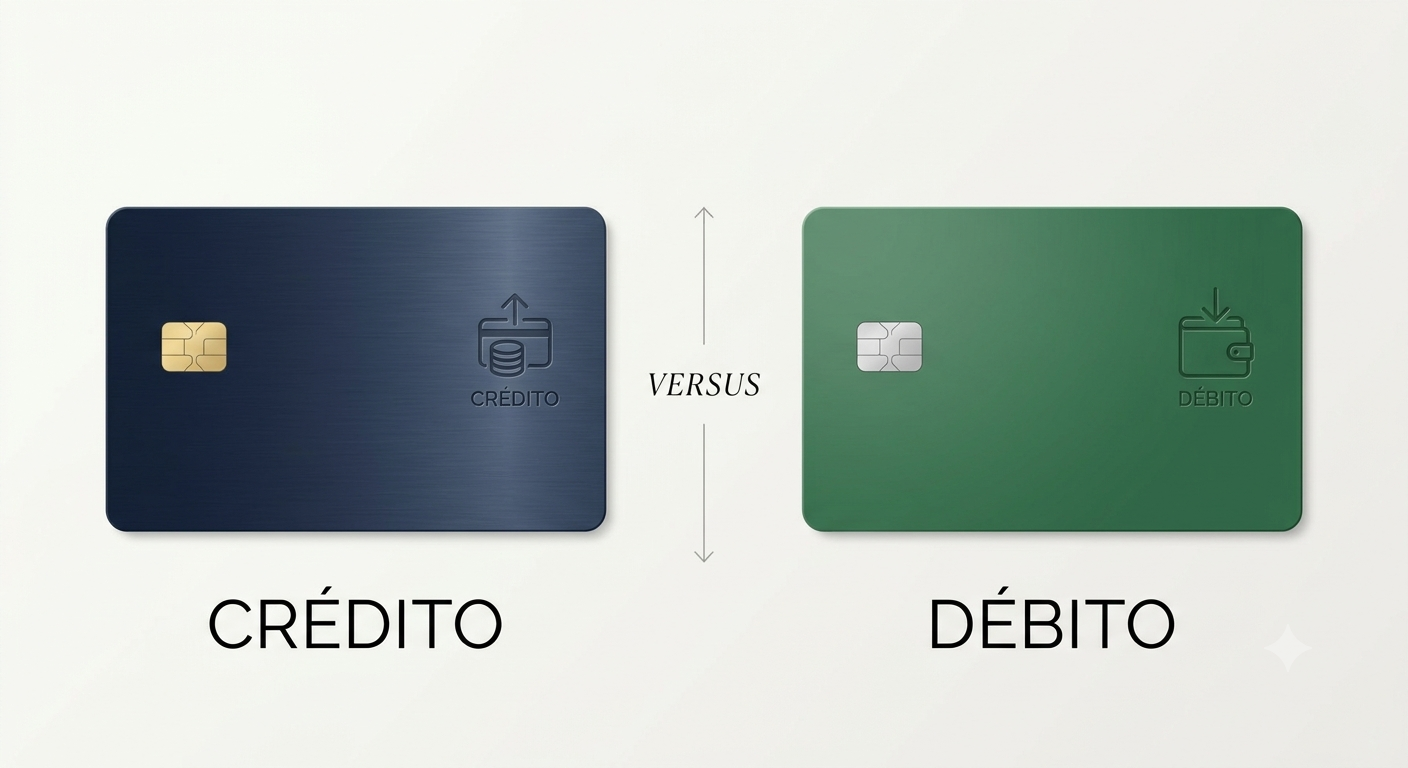
The main difference is where the money comes from.
When you use a debit card, the purchase is generally paid directly from the funds available in your linked bank account. A credit card, on the other hand, uses a line of credit provided by the card issuer, which you repay later. [1] [3]
This difference affects everything from interest charges and credit scores to fraud protection and how much control you have over your spending.
Credit cards: How do they work?
A credit card allows you to make purchases using a predetermined credit limit. You then receive a monthly statement showing the amount you owe.
If you pay the full statement balance by the due date, you may avoid interest on purchases, depending on the card’s terms. If you carry a balance, interest charges may apply.
Credit cards can also offer rewards such as:
- Cash back
- Travel points
- Airline miles
- Welcome bonuses
- Purchase protections
One of the biggest advantages is that responsible use can help build your credit history. However, carrying high balances or missing payments can make borrowing more expensive and may negatively affect your credit profile.
Debit cards: How do they work?
A debit card is linked directly to your bank account. When you make a purchase, the money generally comes directly from your available balance.
Because you are typically spending money already in your account, debit cards can make it easier to avoid borrowing and interest charges.
However, using a debit card can also mean that fraudulent transactions directly affect the money available in your bank account while the issue is being investigated.
Credit card vs. debit card: Key differences
| Feature | Credit Card | Debit Card |
|---|---|---|
| Where the money comes from | Borrowed money | Your bank account |
| Interest charges | Possible | Generally no interest |
| Builds credit history | Yes, when used responsibly | Generally no |
| Rewards | Often available | Less common |
| Spending limit | Credit limit | Available account balance |
| Monthly bill | Yes | No traditional credit bill |
| Risk of overspending | Higher | Generally lower |
Which card offers better fraud protection?
Credit cards are often considered stronger for fraud protection because fraudulent transactions do not directly remove money from your checking account.
Debit card fraud can also be disputed, but unauthorized transactions may affect your bank balance while the situation is being resolved.
For this reason, some consumers prefer using credit cards for online purchases and travel, while keeping debit card use connected to their everyday banking needs. Credit cards are generally associated with stronger consumer protections against fraud than debit cards. [2]
Which one is better for building credit?
A credit card is generally the better choice for building a credit history.
When you use a credit card and make payments on time, the account activity may be reported to the major credit bureaus. Factors such as payment history and credit utilization can influence your credit profile.
A debit card generally does not work this way because you are spending money from your own bank account rather than borrowing money.
If you are trying to build credit, a secured credit card may also be an option to consider.
Which one is better for avoiding debt?
A debit card may be better for consumers who want to avoid borrowing money.
Because purchases are generally paid directly from your bank account, you do not receive a traditional monthly credit card bill or risk accumulating interest by carrying a balance.
However, a debit card does not automatically prevent overspending if your bank allows overdrafts or other transactions beyond your available balance.
When should you use a credit card?
A credit card may be useful for:
- Earning cash back or rewards
- Building credit history
- Making online purchases
- Traveling
- Taking advantage of purchase protections
- Managing short-term cash flow when you can repay the balance
The key is to use the card responsibly and avoid spending more than you can reasonably repay.
When should you use a debit card?
A debit card may be a better fit for:
- Everyday purchases from your existing bank balance
- Budget-conscious spending
- Avoiding interest charges
- Consumers who do not want to borrow money
- Managing spending with a fixed available balance
So, which one is right for you?
There is no single answer for everyone.
A credit card may be the better choice if you want to build credit, earn rewards and benefit from additional purchase protections—and you can consistently pay your balance on time.
A debit card may be the better choice if your priority is spending money you already have and avoiding the possibility of accumulating credit card debt.
Many consumers use both. A credit card can be used strategically for rewards and credit building, while a debit card can be used for direct access to money in a checking account.
The most important factor is not simply whether you choose credit or debit. It is whether the card fits your spending habits and financial goals.
Frequently asked questions
Is a credit card better than a debit card?
Not necessarily. Credit cards may offer rewards, credit-building opportunities and stronger fraud protections, while debit cards can make it easier to avoid borrowing and interest charges.
Does using a debit card build credit?
Generally, no. Debit card purchases typically do not build credit history because you are spending money from your own bank account.
Can a credit card help improve your credit score?
Yes. Responsible use, including making payments on time and keeping balances under control, can help build a credit history.
Is it safer to use a credit card online?
Many consumers prefer credit cards for online purchases because fraudulent transactions generally do not directly remove money from their checking account. However, cardholders should still monitor all transactions and report suspicious activity promptly.
Can you use both a credit card and a debit card?
Yes. Many consumers use both types of cards for different purposes.